A Tragic Day in Savoie's Mountains: Three Lives Lost, Two Injured in Avalanche Incidents
February 15th marked a somber day in the heart of the French Alps, specifically within the picturesque yet perilous Savoie department. A series of devastating accident avalanche Savoie incidents claimed the lives of three individuals and left two others seriously injured, casting a pall over the winter sports community. These tragedies, occurring in separate locations but within hours of each other, served as a stark reminder of the unpredictable and formidable power of the mountains, especially for those venturing beyond marked ski areas.
The events unfolded across two distinct sites – Arvillard and Bonneval-sur-Arc – highlighting the widespread nature of the avalanche risk. As rescue teams battled challenging conditions and communities grappled with the news, authorities urged extreme caution, emphasizing the critical importance of preparedness and informed decision-making for anyone exploring the backcountry. This article delves into the details of these unfortunate incidents, examines the contributing factors, and offers crucial insights into avalanche safety to prevent future tragedies.
Savoie Avalanches: Unpacking the Incidents of February 15th
The Arvillard Tragedy: Belledonne Massif Claims a Life
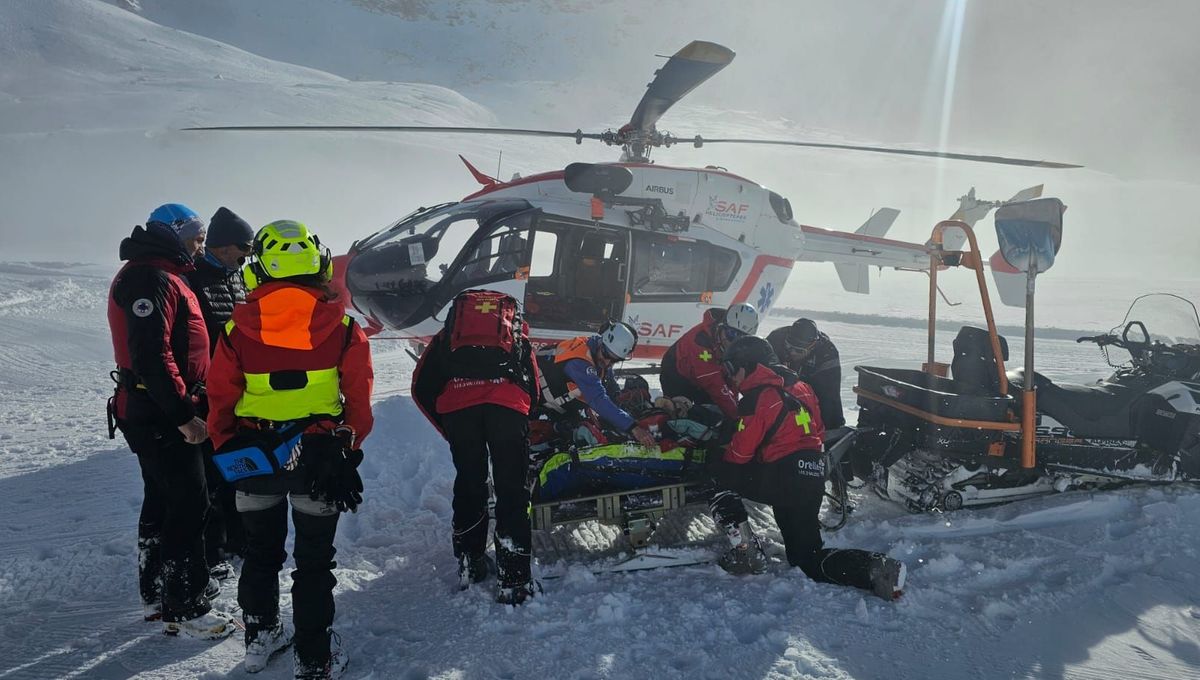
The day's first fatal avalanche accident in Savoie struck around noon in the Belledonne massif, near the commune of Arvillard. A group of three ski tourers, embarking on an ascent of the Grands Moulins peak, which rises to 2,495 meters, were suddenly engulfed by a powerful snowslide. Despite the immediate and coordinated response from emergency services, including the CRS Alpes from Grenoble, helicopter support, and the Savoie Fire Brigade's Mountain Group (GMSP), the outcome was tragic.
One member of the group, a 30-year-old French woman, lost her life. Her two companions sustained serious injuries and were subsequently transported to hospitals in Grenoble and Chambéry for urgent medical attention. Initial investigations, led by the Chambéry public prosecutor, suggested the avalanche was "probably triggered by a skier," underscoring the potential for human activity to destabilize fragile snowpacks. The local avalanche risk bulletin for the sector had been rated 3 out of 5, indicating "considerable" danger, a warning that, tragically, proved prescient.
Double Fatality Near Bonneval-sur-Arc
Just a few hours later, in the early afternoon, another devastating accident avalanche Savoie event unfolded further south, near Bonneval-sur-Arc. A group of five hikers or ski tourers found themselves caught in an avalanche around 2 PM. The incident occurred beneath the Col de l'Iseran (2,760 meters altitude), as the group was reportedly making their way towards the Col des Fours, passing near the Chapelle Notre-Dame-de-Toute-Prudence.
The rapid response was facilitated by the proximity to the Val d'Isère ski area, allowing pisteurs-secouristes from the station to quickly reach the scene. They were soon joined by additional resources, including the CRS Alpes from Modane and Courchevel, helicopter assets, and SMUR medical teams. Despite these swift and professional efforts, two members of the group perished. The three survivors, though physically unharmed, were in a state of profound shock and were taken to the medical center in Val d'Isère for support and assessment. This incident, like the first, highlighted the extreme vulnerability of adventurers in uncontrolled, off-piste environments.
Beyond the Headlines: Understanding Avalanche Risk Factors
These devastating events serve as a sobering reminder of the complex interplay of factors that contribute to avalanche danger. Understanding these elements is paramount for anyone venturing into the winter mountains. Avalanches are not random occurrences; they are the result of specific snowpack conditions, weather patterns, and often, human triggers.
- Recent Snowfall: Heavy snowfalls, especially followed by strong winds, can create unstable layers. The newly fallen snow may not bond well with existing layers, or wind can redistribute snow, forming dangerous "wind slabs."
- Temperature Fluctuations: Rapid changes in temperature can weaken the snowpack. Freezing and thawing cycles can create icy layers that act as sliding surfaces, or warm temperatures can destabilize the entire snowpack.
- Weak Layers: The most insidious threat often lies hidden within the snowpack itself – persistent weak layers. These can be old hoar frost, graupel, or facets (angular snow crystals) that don't bond well with layers above or below them. Even small additional loads, like a skier, can propagate a fracture along these layers, leading to a massive slide.
- Terrain: Slope angle is a critical factor; most avalanches occur on slopes between 25 and 45 degrees. Aspect (the direction a slope faces) and elevation also play a role, as they influence snow accumulation, wind loading, and sun exposure. Terrain traps (gullies, depressions, tree lines) can make a smaller avalanche much more dangerous by concentrating debris.
- Human Triggers: While natural avalanches do occur, a significant percentage of incidents are triggered by people – skiers, snowboarders, snowshoers, or hikers. The added weight, movement, and vibration can be enough to tip a fragile snowpack over the edge. The suspected triggering by a skier in the Arvillard incident underscores this critical point.
The stated avalanche risk of 3 out of 5 for the Arvillard area translates to "considerable" danger. At this level, spontaneous avalanches are possible, and human-triggered avalanches are likely on many slopes. It signifies a period when careful route selection and expert judgment are absolutely essential. For further reading on the inherent dangers, especially off-piste, consider our article: Off-Piste Peril: Savoie Avalanches Claim Lives Amid Rising Risk.
Essential Safety Measures for Backcountry Enthusiasts
Given the inherent risks of backcountry travel, especially in regions prone to incidents like the recent Savoie avalanche deaths, adhering to stringent safety protocols is not just advisable, but absolutely critical. Preparation, education, and the right equipment can be the difference between life and death.
Prioritize Education and Preparation
- Avalanche Safety Courses: Enroll in recognized avalanche safety courses (e.g., those offered by ANENA in France or similar organizations). These courses teach crucial skills like snowpack assessment, route planning, transceiver use, and rescue techniques.
- Consult Experts: Never hesitate to hire a certified mountain guide, especially when exploring new or challenging terrain. Their local knowledge and expertise are invaluable.
- Daily Bulletin Checks: Always consult the local Avalanche Risk Bulletin (BRA) issued by Météo-France before venturing out. Understand what each risk level signifies and adjust your plans accordingly.
Non-Negotiable Equipment
Every person in an off-piste group must carry and know how to use the following:
- Avalanche Transceiver (DVA/Beacon): This electronic device transmits a signal that can be picked up by other transceivers, allowing for rapid location of buried victims. Always check batteries before each outing.
- Avalanche Shovel: Essential for quickly excavating buried companions. A strong, lightweight metal shovel is far superior to plastic.
- Avalanche Probe: A collapsible pole used to pinpoint the exact location of a buried person after a transceiver search.
- Avalanche Airbag System: While not a guarantee, an airbag backpack can significantly increase survival chances by helping a buried person stay on top of the snow or reducing burial depth.
Regular practice with this equipment is vital. In a real emergency, every second counts.
Prudent Decision-Making
- Group Dynamics: Travel in small, well-prepared groups. Maintain visual and auditory contact. On suspect slopes, ascend and descend one person at a time to minimize the load on the snowpack.
- Route Selection: Choose terrain appropriate to current conditions and your group's experience level. Avoid known avalanche paths, steep slopes, and areas with obvious signs of instability (e.g., recent slides, "wumphing" sounds, cracking snow).
- Observation: Constantly observe the snow and weather conditions. Look for clues of instability like recent cornice collapses, new cracks in the snow, or changes in wind.
- Know When to Turn Back: The most difficult but often most important decision is to turn back if conditions feel uncertain or if any group member expresses discomfort. The mountain will always be there another day.
These incidents in Savoie are part of a broader trend of increasing Northern Alps Avalanche Toll Rises: Savoie Incidents Under Investigation, underscoring the ongoing need for vigilance and education.
The Broader Picture: A Rising Toll in the Northern Alps
The tragic events of February 15th brought the total number of avalanche fatalities in the Northern Alps to 11 (or 12 for the winter season) within a mere three weeks. This alarming figure includes an earlier incident in the neighboring Haute-Savoie department, where a 60-year-old high-mountain guide was found buried under an avalanche off-piste in the Chamonix Valley. This pattern underscores a concerning trend: as backcountry skiing and off-piste activities grow in popularity, so too does the potential for such devastating accidents.
The increasing accessibility of mountain terrain, combined with advances in equipment, has encouraged more people to explore beyond the controlled environment of marked ski runs. While this offers incredible freedom and unparalleled experiences, it also places individuals in areas where the risks are entirely their responsibility. The emotional toll on the survivors, the dedicated rescue teams who often put their own lives at risk, and the wider mountain communities is immense. Each investigation, such as those initiated by the Chambéry public prosecutor, seeks not only to understand the direct causes but also to glean lessons that can help prevent future tragedies.
Conclusion: Respecting the Mountain's Power
The fatal accident avalanche Savoie incidents on February 15th serve as a poignant and powerful reminder of the inherent dangers and majestic beauty of the Alps. Three lives were tragically cut short, and two individuals endured severe injuries, all within a single day of unexpected snowslides. As the Prefecture of Savoie rightfully implored, "the greatest caution" is not merely a suggestion but an absolute imperative for anyone venturing into this stunning but unforgiving terrain.
The allure of fresh powder and untouched slopes is undeniable, but it must always be balanced with an unyielding respect for the mountain's power. By prioritizing education, carrying essential safety equipment, and making informed, cautious decisions, we can all contribute to mitigating the risks. The mountains will always present challenges, but through responsible engagement and a deep understanding of their dynamics, we can strive to ensure that the joy of winter sports does not come at such a devastating cost.