Off-Piste Peril: Savoie Avalanches Claim Lives Amid Rising Risk
The majestic, snow-capped peaks of the Savoie region, a jewel in the French Alps, offer an irresistible allure to winter sports enthusiasts. However, beneath their pristine beauty lies an inherent danger, a stark reality tragically underscored on Saturday, February 15th, when a series of devastating Savoie avalanches claimed three lives and left several others severely injured. These harrowing incidents, occurring outside designated ski areas, have sent a chilling reminder of the unforgiving nature of the backcountry and the critical importance of extreme caution amidst rising risks. The Prefect of Savoie promptly issued a stern warning, urging "the greatest prudence" to all venturing into the high mountains.
The tragic events of that fateful Saturday pushed the total number of avalanche fatalities in the Northern Alps to 11 within just three weeks, and a sobering 12 for the winter season, highlighting a concerning trend. As investigations commence into the causes of these recent Savoie incidents, the mountaineering community is once again reminded of the delicate balance between adventure and safety, particularly when seeking the untouched powder of off-piste terrain.
A Day of Devastation: Tragic Incidents Unfold in Savoie
February 15th, 2025, etched itself into the memory of the Savoie region as a day marked by profound loss. Two distinct avalanche events, mere hours apart, tore through the tranquil mountain landscape, shattering lives and reigniting urgent discussions about backcountry safety.
The Arvillard Avalanche: Belledonne's Deadly Embrace
The first tragedy struck around noon near the commune of Arvillard, deep within the formidable Belledonne massif. A group of ski tourers, engaged in the challenging ascent of Les Grands Moulins, which proudly stands at 2,495 metres, was suddenly engulfed by a powerful avalanche. The snow slide, believed by investigators from the Chambéry public prosecutor's office to have been triggered by a skier, tragically claimed the life of a 30-year-old French woman. Two of her companions sustained serious injuries and were quickly evacuated to hospitals in Grenoble and Chambéry, their conditions not immediately specified. The alarm was raised by another group of hikers in the vicinity, prompting a rapid and coordinated rescue effort. Specialised teams from the CRS Alpes de Grenoble, supported by helicopter assets and the Savoie Mountain Firefighters Group (GMSP), were swiftly deployed to the scene, battling against the elements to locate the buried individuals.
At the time of this devastating accident avalanche Savoie, the avalanche risk in the sector was rated at 3 out of 5. This "considerable" risk level signifies unstable snowpack conditions where human triggering of avalanches is highly probable, even on moderate slopes, underscoring the severe hazards faced by those venturing off-piste.
Bonneval-sur-Arc: A Second Deadly Strike
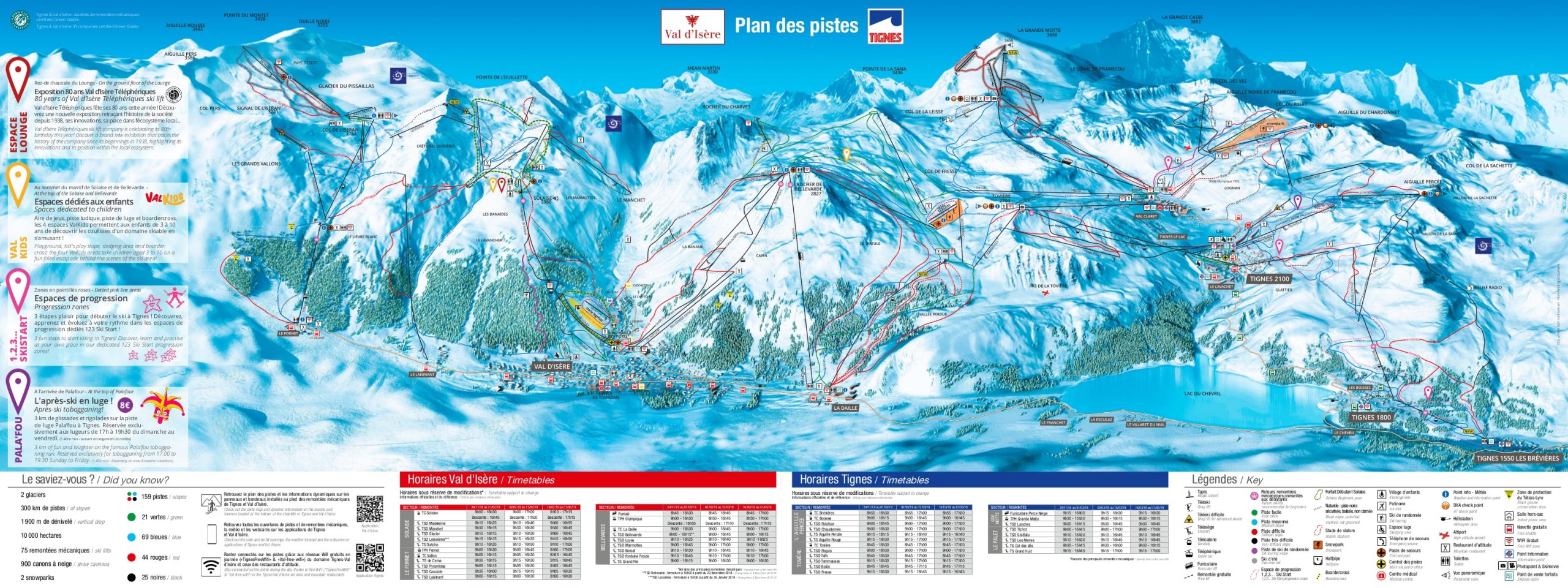
Just two hours later, at approximately 2 PM, the Savoie region was hit by a second, equally devastating avalanche. This time, the scene was Bonneval-sur-Arc, a picturesque village renowned for its authentic charm and access to stunning high-altitude terrain. A group of five hikers found themselves caught in a colossal snow slide that roared down from under the Col de l'Iseran, an imposing peak reaching 2,760 metres. The group was reportedly making their way towards the Col des Fours, passing near the small chapel of Notre-Dame-de-Toute-Prudence, when the mountain unleashed its fury.
Despite the rapid response of emergency services, including ski patrol and rescue workers from the nearby Val d'Isère station, backed by helicopter teams from the CRS Alpes of Modane and Courchevel, and SMUR medical doctors, two of the hikers tragically perished. The three survivors, although physically unharmed, were transported to the medical centre in Val d'Isère, suffering from severe shock. Their identities were not immediately released, but the psychological toll of such an experience is undoubtedly immense. The close proximity to the Val d'Isère ski area ensured swift professional intervention, yet even the most experienced rescuers could not prevent the tragic outcome of this accident avalanche Savoie.
Beyond the Headlines: Understanding the Broader Avalanche Risk
These recent fatalities are not isolated incidents but rather part of a worrying pattern observed across the Northern Alps this winter season. Just ten days prior to the Savoie tragedies, a 60-year-old high mountain guide was found buried under an off-piste avalanche in the Chamonix Valley, Haute-Savoie. Such incidents highlight a complex interplay of factors contributing to increased avalanche risk, especially outside controlled ski domains.
- Unpredictable Snowpack: Recent heavy snowfall, while a boon for ski resorts, often creates a highly unstable snowpack, particularly when layers of new snow fall on older, weaker layers. Temperature fluctuations can further exacerbate this instability, forming dangerous weak layers within the snowpack.
- Growing Off-Piste Popularity: The allure of untouched powder and the thrill of pristine slopes draw increasing numbers of enthusiasts away from groomed runs and into the backcountry. While rewarding, this trend also means more people are venturing into uncontrolled and potentially dangerous terrain, sometimes without adequate experience or equipment.
- Human Triggers: As seen in the Arvillard incident, a significant percentage of avalanches are triggered by the victims or members of their group. Skiers, snowboarders, and hikers can exert enough pressure on an unstable snowpack to initiate a slide, especially at risk levels of 3/5 ("considerable") or higher.
- Climate Change: Some experts suggest that changing weather patterns, including more erratic snowfall and temperature swings, could be contributing to less predictable and more dangerous avalanche conditions.
The call for "the greatest prudence" by the Prefect of Savoie is not merely a formality but a vital injunction. It serves as a potent reminder that the mountain's beauty can quickly turn deadly, and personal responsibility is paramount.
Navigating the Backcountry: Essential Safety Measures
Venturing into the exhilarating world of off-piste skiing or ski touring demands more than just skill on the slopes; it requires a comprehensive understanding of avalanche safety, rigorous preparation, and disciplined decision-making. Here are crucial steps to minimise risk and enhance safety:
Pre-Trip Planning is Paramount
- Check Avalanche Forecasts: Always consult the local avalanche bulletin (e.g., Météo-France's BRA - Bulletin d'Estimation du Risque d'Avalanche) for the specific sector you intend to visit. Understand what the risk level (on a scale of 1 to 5) truly means for that day. A risk level 3/5, for instance, implies that human-triggered avalanches are probable on many slopes.
- Study the Terrain: Familiarise yourself with the topography, potential avalanche start zones, run-out zones, and safe routes. Avoid notoriously dangerous areas, especially after fresh snowfall or during periods of elevated risk.
- Assess Weather Conditions: Monitor current and forecasted weather, including temperature, wind speed and direction, and precipitation. Wind can quickly load slopes with snow, creating dangerous slabs.
- Group Communication: Discuss the plan, potential hazards, and emergency procedures with your entire group. Ensure everyone is on the same page and aware of their roles.
Essential Gear for Every Off-Piste Adventure
Never venture off-piste without the "holy trinity" of avalanche safety equipment:
- Avalanche Transceiver (DVA/ARTVA): A device that sends and receives radio signals, crucial for locating buried victims. Everyone in the group must carry one, have fresh batteries, and know how to use it.
- Avalanche Shovel: Essential for quickly excavating buried individuals. Even if located by a transceiver, snow can be incredibly dense, making shovelling vital for survival.
- Avalanche Probe: A collapsible pole used to pinpoint the exact location and depth of a buried victim once their general position has been identified by a transceiver.
- Avalanche Airbag Backpack: While not a substitute for the trinity, an airbag can significantly increase survival chances by helping the wearer stay on top of a slide.
- Helmet: Offers protection against head injuries from rocks, ice, or trauma during a slide.
- First-Aid Kit: For treating injuries in remote locations.
Training and Awareness: Your Best Defense
Possessing the gear is only half the battle; knowing how to use it effectively and understanding avalanche dynamics is critical:
- Take an Avalanche Safety Course: Enroll in certified courses offered by organisations like ANENA (Association Nationale pour l'Etude de la Neige et des Avalanches) or UIAGM-certified mountain guides. These courses teach snowpack assessment, rescue techniques, and risk management.
- Practice Rescue Drills: Regularly practice using your transceiver, probe, and shovel with your group to ensure proficiency under pressure. Seconds can mean the difference between life and death.
- Recognise Warning Signs: Learn to identify visual cues such as recent avalanches, "whumphing" sounds (collapsing snowpack), cracks in the snow, or heavy snowfall with strong winds.
Ultimately, the most important safety tool is sound judgment. Be prepared to turn back if conditions feel unsafe, avoid following unknown tracks blindly, and always prioritise safety over ambition.
Investigation and Aftermath: Seeking Answers
The public prosecutor of Chambéry has opened investigations into the causes of these fatal avalanches. Such inquiries are standard practice, aiming to understand the precise circumstances, assess any potential liabilities, and gather insights that could contribute to future prevention efforts. Beyond the official investigations, these incidents leave a lasting impact on survivors, rescue teams, and the wider mountain community. The psychological trauma for those caught in a slide or involved in recovery operations is profound, underscoring the human cost of these tragic events.
The increasing popularity of backcountry activities demands a collective effort from authorities, mountain professionals, and enthusiasts alike to foster a culture of heightened awareness, education, and responsibility. These unfortunate incidents in Savoie serve as a somber reminder of the constant vigilance required when interacting with the powerful and unpredictable forces of nature.
Conclusion
The tragic events of February 15th, 2025, in Arvillard and Bonneval-sur-Arc, where two separate Savoie avalanches claimed three precious lives, are a poignant testament to the inherent dangers of the off-piste environment. While the allure of the pristine backcountry remains undeniable, the increasing toll across the Northern Alps this winter season highlights a critical need for enhanced safety protocols, comprehensive education, and an unwavering commitment to personal responsibility. As investigations into these latest fatalities continue, the call from the Prefect of Savoie for "the greatest prudence" resonates more strongly than ever. Only through diligent preparation, essential equipment, continuous training, and conservative decision-making can enthusiasts hope to mitigate the risks and truly enjoy the majestic, yet perilous, beauty of the Alpine wilderness.