Northern Alps Avalanche Toll Rises: Savoie Incidents Under Investigation
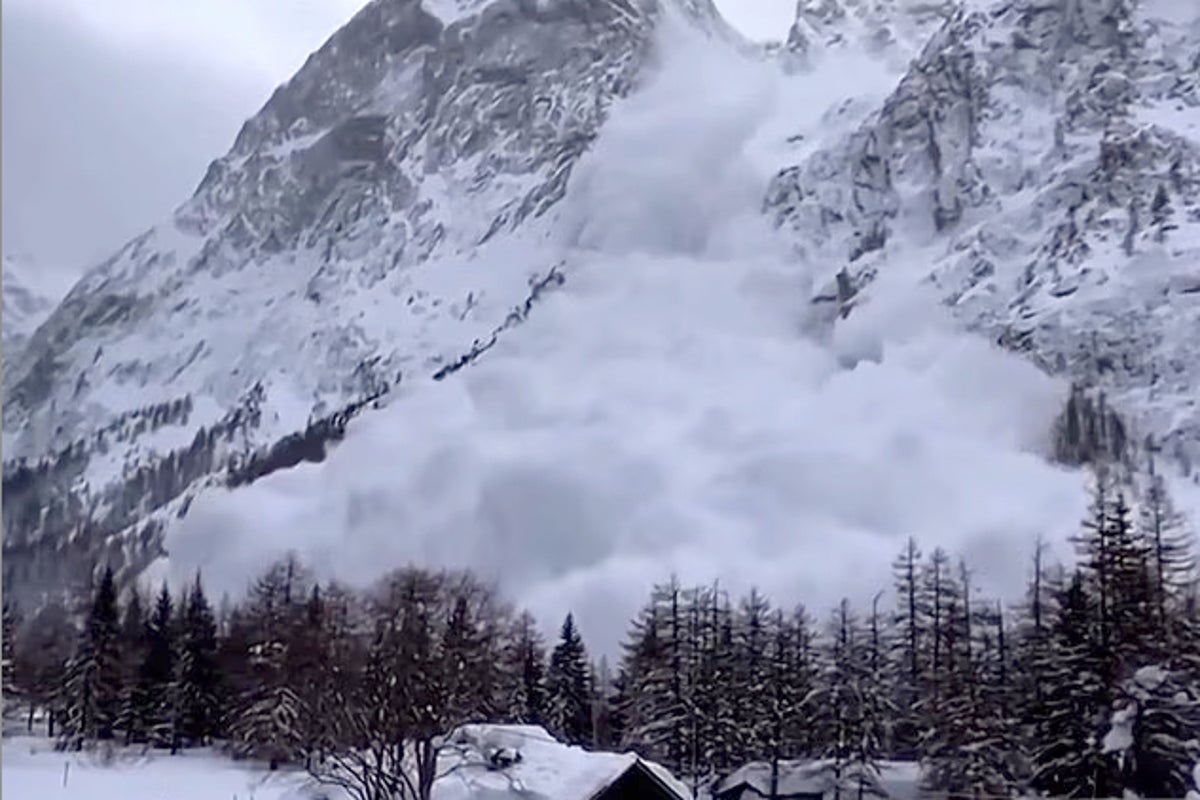
The majestic, yet often unforgiving, peaks of the French Northern Alps have once again cast a somber shadow, as a series of tragic events unfolded in the Savoie region. A single day, Saturday, February 15th, saw the lives of three individuals claimed by two separate avalanche incidents, with two others sustaining serious injuries. These devastating events underscore the inherent dangers of backcountry exploration and serve as a stark reminder of the critical importance of mountain safety, especially in areas prone to sudden and unpredictable snowpack shifts. Authorities, including the Chambéry public prosecutor, have launched investigations into the precise causes of these fatalities, while rescue services continue to stress the need for extreme caution amidst challenging winter conditions.
Details of the Double Tragedy: Arvillard and Bonneval-sur-Arc
The day's first accident avalanche Savoie struck around midday in the Belledonne massif, near the commune of Arvillard. A group of ski tourers was ascending the Grands Moulins, a peak reaching 2,495 meters, when they were suddenly engulfed by an avalanche. The swift response of rescue teams, including the CRS Alpes from Grenoble and the Groupe Montagne Sapeurs-Pompiers (GMSP) of Savoie, was initiated after another nearby group of hikers raised the alarm. Despite their efforts, one French ski randonneuse, tragically aged 30, succumbed to her injuries. Two of her companions were gravely injured and immediately airlifted to hospitals in Grenoble and Chambéry, highlighting the severe and often life-altering consequences of such incidents. Initial findings suggest the avalanche was likely triggered by a skier, a common factor in many backcountry fatalities.
Just a few hours later, at approximately 2 PM, another group of five hikers faced a similar fate near Bonneval-sur-Arc. This second deadly accident avalanche Savoie occurred at an altitude of 2,760 meters, below the Col de l'Iseran and close to the Chapelle Notre-Dame-de-Toute-Prudence. The proximity to the Val d'Isère ski area allowed for a rapid deployment of pisteurs-secouristes, who were quickly joined by helicopter-borne CRS Alpes rescuers and SMUR medical teams. However, despite the comprehensive response, two individuals from the group lost their lives. The three surviving members, though physically unharmed, were taken to the medical center in Val d'Isère, reportedly in a state of profound shock – a testament to the traumatic experience of surviving such a terrifying event. The identities of the victims from Bonneval-sur-Arc have not yet been released.
Escalating Toll: A Winter of Growing Concern in the Northern Alps
These recent incidents bring the total number of avalanche fatalities in the Northern Alps to 11 in the last three weeks alone, or 12 for the entire winter season. This alarming figure underscores a worrying trend and emphasizes the heightened avalanche risk prevalent across the region this winter. Just ten days prior to these Savoie tragedies, a 60-year-old high-mountain guide was found deceased after being buried under an off-piste avalanche in the Chamonix Valley in the neighboring Haute-Savoie department. Such statistics serve as a grim reminder that even experienced professionals are not immune to the mountain's perils.
The Préfecture de Savoie has issued a strong appeal for "the greatest prudence," urging all mountain enthusiasts to exercise extreme caution. This call for vigilance comes amid recent heavy snowfall, which, while creating appealing conditions for winter sports, also significantly destabilizes the snowpack. New snow, particularly when combined with previous layers, wind transportation, or temperature fluctuations, can create dangerous weak layers prone to triggering. The investigations by the Chambéry public prosecutor's office into the causes of these deaths will be crucial in understanding the specific conditions and human factors involved in these latest tragedies, hopefully informing future prevention efforts.
Understanding Avalanche Risk: What "3 out of 5" Truly Means
In the case of the Arvillard avalanche, the reported risk level for the sector was 3 out of 5 on the European Avalanche Danger Scale. For many, this numerical rating might seem abstract, but understanding its implications is vital for anyone venturing into the backcountry.
- Level 1 (Low): Snowpack generally stable. Isolated loose wet avalanches or small natural gliding avalanches possible. Safe conditions prevail for most.
- Level 2 (Moderate): Snowpack moderately stable. Some unstable areas exist, especially on specific slopes. Small natural avalanches or medium human-triggered avalanches possible. Careful route choice needed.
- Level 3 (Considerable): This is where the danger significantly increases. The snowpack is moderately to poorly stable on many steep slopes. Natural medium avalanches, or large human-triggered avalanches, are probable. Skiers and snowboarders are advised to avoid steep slopes and approach terrain with caution. This level often accounts for the highest number of avalanche fatalities because it presents tempting conditions for many, but with significant underlying instability.
- Level 4 (High): Snowpack poorly stable on most steep slopes. Large natural avalanches are likely. Backcountry travel is extremely dangerous and generally not recommended.
- Level 5 (Very High): Snowpack very poorly stable. Many very large natural avalanches are certain. Travel in avalanche terrain is impossible.
A "considerable" risk (Level 3) means that avalanches can be easily triggered, even by a single person, on a wide range of slopes. It requires a high level of expertise in route selection, snowpack assessment, and risk management. Many experienced mountain users still find themselves caught in Level 3 conditions, often underestimating the extent of the instability.
Essential Mountain Safety: Mitigating the Dangers of Backcountry Exploration
The tragic events in Savoie serve as a potent reminder that the allure of fresh powder and untouched slopes must always be tempered by an unwavering commitment to safety. For anyone considering off-piste or ski touring adventures in the Northern Alps or any mountain range, thorough preparation and adherence to best practices are paramount.
Before You Go: Preparation is Key
- Check Avalanche Forecasts Religiously: Consult official bulletins like Météo-France for specific regional forecasts (e.g., for Belledonne, Haute Maurienne, etc.). Understand the risk level and the specific dangers identified (e.g., wind slabs, persistent weak layers, new snow instabilities).
- Weather Forecasts: Beyond avalanche risk, check general weather conditions – temperature, wind speed and direction, visibility, and precipitation. Rapid changes can significantly alter snowpack stability.
- Route Planning: Study maps (topographic maps are essential), identify potential avalanche terrain (slopes steeper than 30 degrees, gullies, cornices), and plan alternative routes. Discuss the plan with your group and ensure everyone is aware.
- Group Dynamics: Never go alone. Travel with experienced companions who are equally committed to safety. Ensure everyone in the group has the necessary skills and equipment.
- Inform Someone: Always leave your itinerary with someone reliable (e.g., hotel staff, family member) and your estimated return time.
Essential Equipment: Your Lifeline in the Snow
For any off-piste or backcountry excursion, carrying and knowing how to use the following gear is non-negotiable:
- Avalanche Transceiver (Beacon): Worn close to the body, it transmits a signal that can be picked up by others in the event of a burial. Practice using it regularly.
- Avalanche Probe: A collapsible pole used to pinpoint the exact location of a buried victim after a transceiver search.
- Avalanche Shovel: Essential for quickly excavating a buried person. Standard shovels are not sufficient; a robust, metal-bladed avalanche shovel is required.
- Avalanche Airbag System: While not a guarantee, these backpacks can significantly increase survival chances by keeping you on top of the avalanche debris.
- First-Aid Kit: Comprehensive enough to deal with common mountain injuries.
- Navigation Tools: Map, compass, and GPS device (with spare batteries/power bank).
- Communication Device: Fully charged mobile phone, satellite phone, or two-way radio.
Training and Skills: Invest in Your Safety
Possessing the right gear is only half the battle; knowing how to use it effectively and make informed decisions in complex terrain is paramount. Enroll in avalanche safety courses (e.g., those offered by ANENA in France, or certified guides). These courses teach crucial skills such as:
- Snowpack analysis and observation.
- Terrain recognition and safe route selection.
- Group management and decision-making.
- Efficient transceiver searching, probing, and shoveling techniques.
- Basic first aid and emergency response.
Consider hiring a certified high-mountain guide for more challenging routes or if you are new to off-piste skiing. Their local knowledge and expertise are invaluable.
A Call for Prudence: Broader Implications and Ongoing Investigations
The recent accident avalanche Savoie events highlight the delicate balance between adventure and risk that defines mountain activities. As investigations continue, they will undoubtedly seek to understand not just the natural triggers but also the human factors that contributed to these tragedies. Every incident offers lessons that, when diligently analyzed, can contribute to greater safety for the entire mountain community. The psychological impact on survivors, rescuers, and the local communities in areas like Bonneval-sur-Arc and Arvillard is also profound, reminding us that these incidents extend far beyond the immediate victims.
The collective efforts of rescue services, meteorologists, and mountain safety organizations are continuously evolving, but the ultimate responsibility lies with each individual venturing into uncontrolled terrain. The beauty and exhilaration of the Northern Alps' backcountry are undeniable, but they demand profound respect, thorough preparation, and continuous vigilance. Let these solemn events serve as a powerful catalyst for renewed commitment to mountain safety, ensuring that future adventures are defined by awe and wonder, not by tragedy.